
Beyond the Lines: Finding Calm in Structure and Freedom
I remember walking into a room filled with Mark Rothko paintings and immediately feeling a sense of calm.
It was an exhibition in Toronto titled Abstract Expressionists. As I entered the room where the Rothkos were on display, I could feel the serenity as I scanned the room, looking at the work and taking it all in. It felt surreal.
There was something about the simplicity of the paintings that stayed with me. I imagined Rothko at his easel, laying down layer after layer of paint and creating the aura that seemed to surround the work. He often spoke about wanting his audience to feel a spiritual presence rather than simply see a painting.
Standing in that room, I finally understood what he meant. It changed the way I thought about what abstract art can communicate.
Creating Calm Through Contrast
My work looks very different from Rothko’s, but I’ve carried that experience with me. I, too, want my audience to feel tranquility through my work, even when I create something chaotic with many moving parts.
For me, that feeling comes through contrast. I’m drawn to combining precise, hard-edge lines with organic forms because it gives me the best of both worlds. There’s a dichotomy between the two that I find interesting: structure alongside freedom, precision alongside something much less predictable.
In my art, I want to show precision and structure, in whatever form that takes. At the same time, I need to leave room for the surprises that come from not knowing exactly what the outcome will be.
It can be difficult to balance because I can establish boundaries and make decisions about line and form, but I can’t dictate everything that happens within them. Eventually, I must allow the results to show me a way forward. The challenge is letting go and allowing the creative process to take hold.
When the Work Changes the Plan
You can see that process clearly in my work, such as Red, White & Blue. I created that piece by manipulating tape, which allowed me to control the final result to an extent.
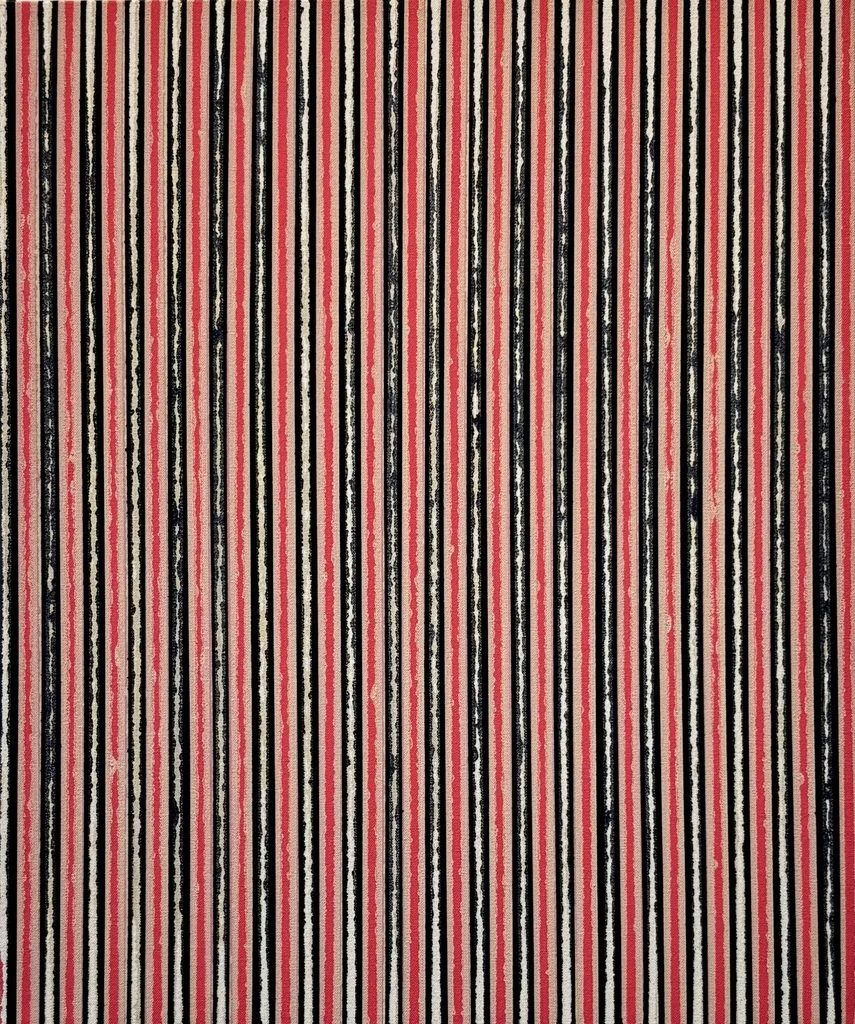
Red, White & Blue
My original intention was to constrain the organic parts within each individual line. But as is often the case with this type of work, the results varied greatly and weren’t always predictable. I created the structure, but what emerged within it had a freedom of its own.
Turn Away took that even further. Initially, I just wanted to make stripes. But the finished work ended up so far from what I had envisioned that it became one of my favourite pieces.
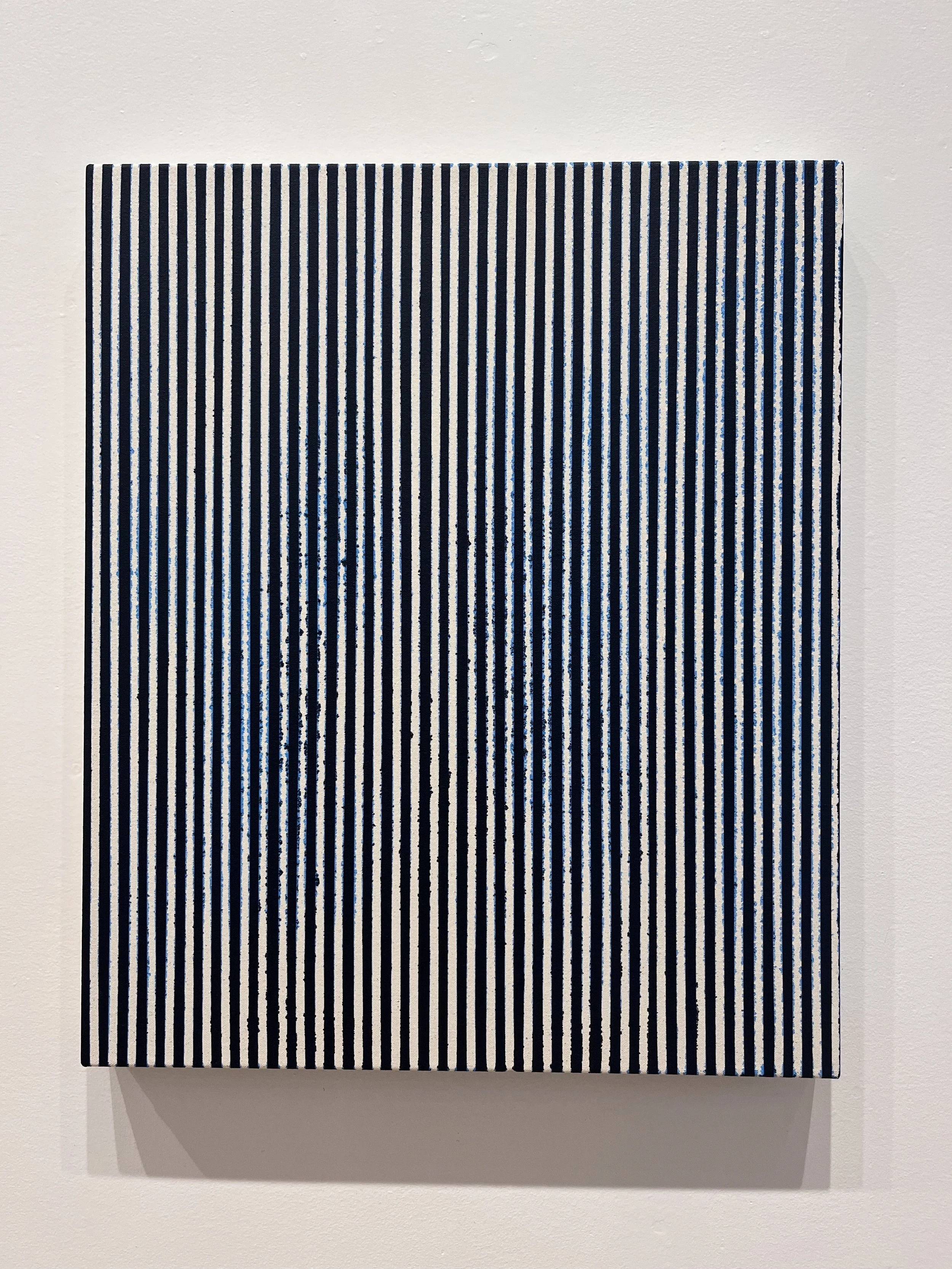
Turn Away
When I looked at it, I wasn’t just seeing the blue stripes I had planned. I was seeing red, orange, and vibrant movement. There was more happening than what appeared to be there at first glance, and that was enough for me to call it a success.
I think that’s an important part of making art. You can begin with a clear idea of where you’re going, but you also must recognize when the work is showing you something better.
Asking the Viewer to Look Again
That idea of discovering something unexpected doesn’t end when I finish a painting. I want the viewer to experience it, too.
We live in a culture that doesn’t give us many reasons to slow down. Our schedules are full, distractions are constant, and there always seems to be pressure to have more, do more, and move on to the next thing. Art can ask something different of us.
With most of my art, I’m interested in the surprise of looking and discovering something that isn’t evident at first glance. You might initially see stripes, shapes, or colour. But stay with the work a little longer, and something else might begin to emerge.
That takes me back to standing in front of Rothko’s paintings in Toronto. Nothing about the work told me what I was supposed to feel. Yet its simplicity made me stop, and in that stillness, I found a calmness that I wasn’t expecting.
That’s what I hope my own work can offer in its own way. You may notice the precision and structure first, but they aren’t the whole story. There’s movement within the lines, freedom within the structure, and sometimes something entirely different beyond that first impression.
We spend so much of our lives moving quickly from one thing to another, but art gives us a reason not to. Sometimes, you just have to stay with something long enough to see what else is there.
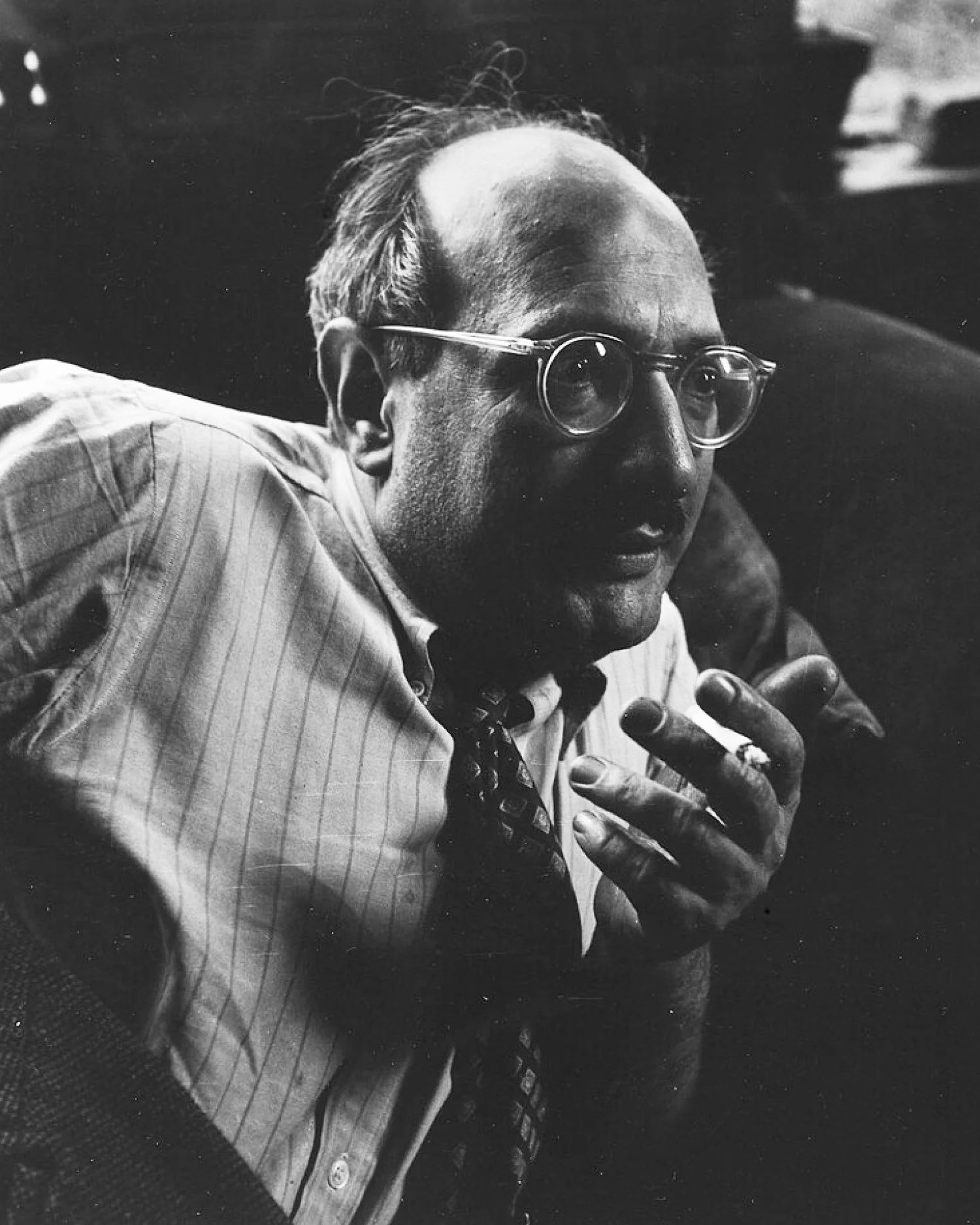
Mark Rothko